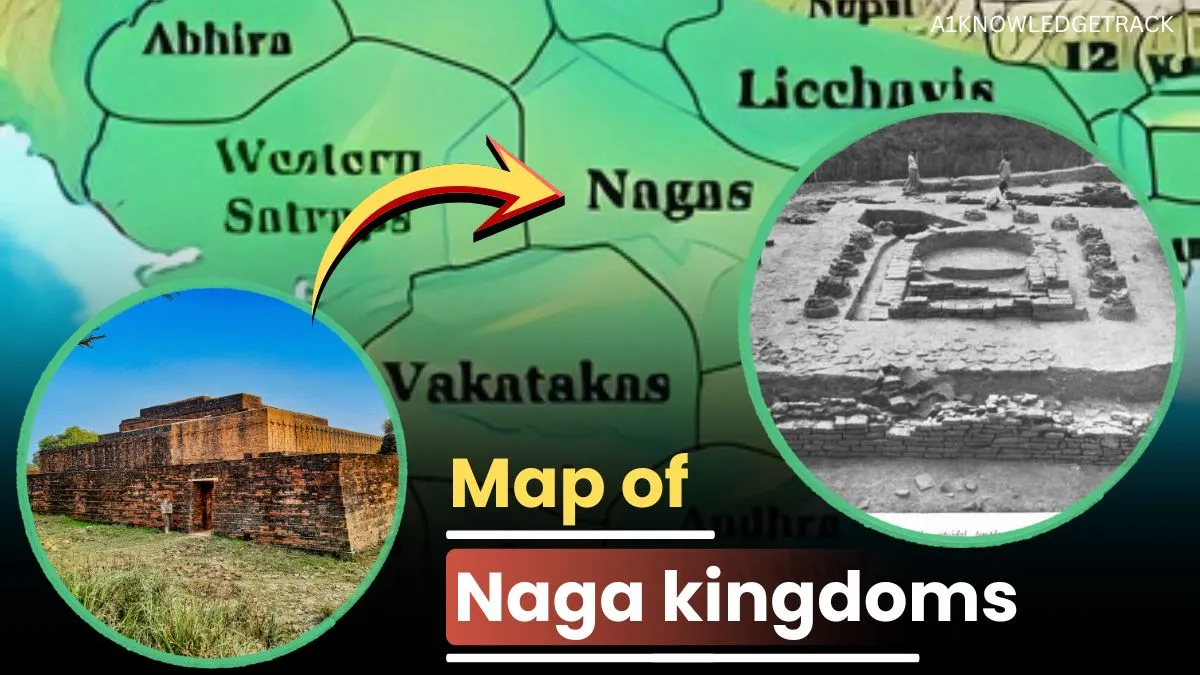
The Naga Kings of India were among the most intriguing yet often overlooked rulers in ancient Indian history. Emerging during the transitional period between the decline of the Kushan Empire and the rise of the Gupta Empire (around the 2nd to 4th century CE), these kings played a crucial role in shaping the political and cultural landscape of northern and central India.
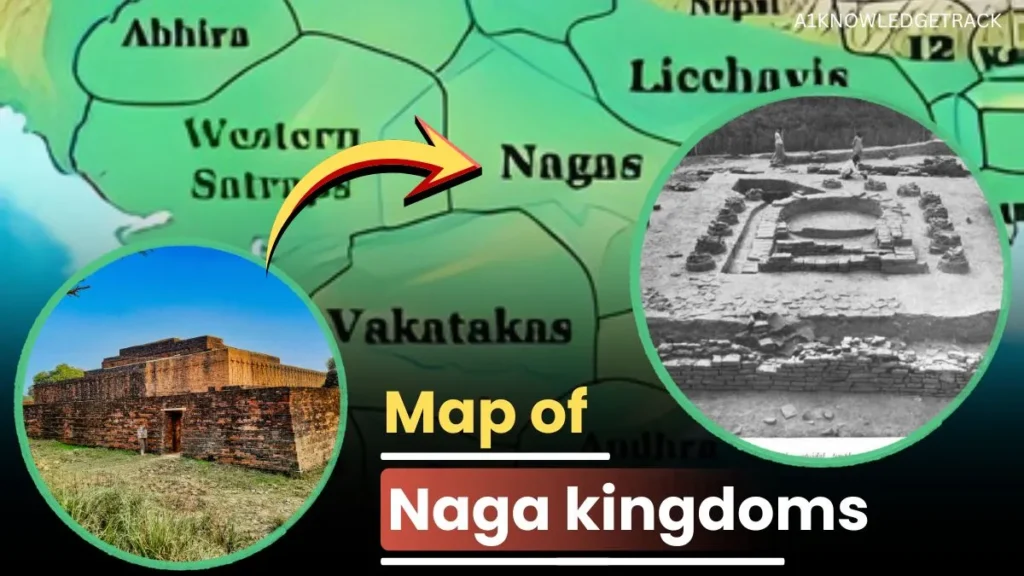
Despite not forming a single unified empire, the Naga rulers controlled important regions such as Padmavati, Mathura, and Vidisha. They established strong regional powers, issued their own coins, and contributed to the revival of Hindu traditions—particularly the worship of Lord Shiva.
What makes the Naga Kings of India especially fascinating is the mystery surrounding their origins and identity. Often associated with serpent symbolism, their name reflects deep cultural and religious significance rather than mythology alone. Today, historians rely heavily on archaeological evidence like coins and inscriptions to reconstruct their story.
In this article, we will explore who the Naga kings were, where they ruled, and why this forgotten dynasty deserves more recognition in Indian history.
Who Were the Naga Kings of India?
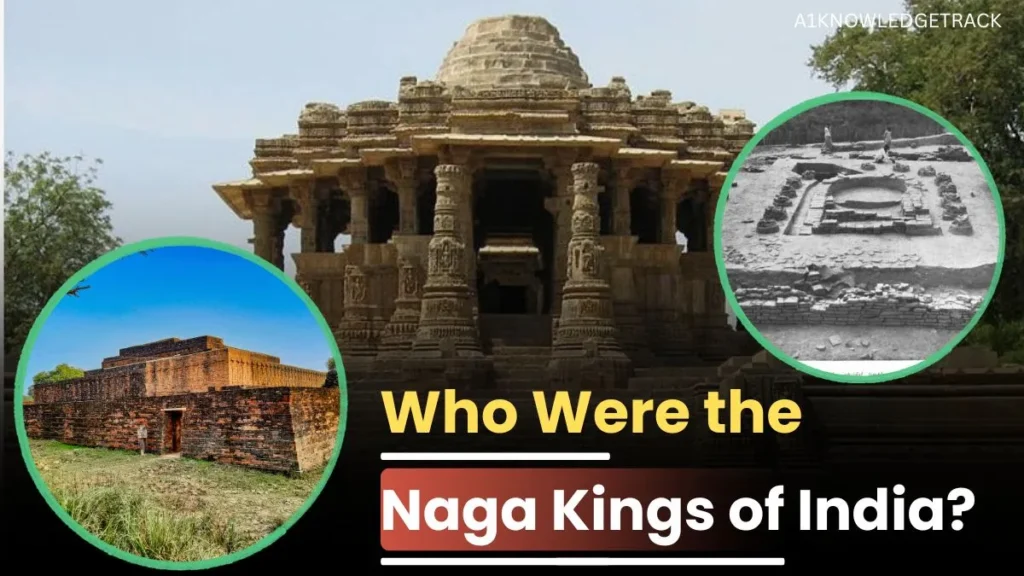
The Naga kings of India were a group of ancient rulers who controlled several regions of northern and central India during the period between the decline of the Kushan Empire and the rise of the Gupta Empire (roughly 2nd–4th century CE). Despite their significant political presence, they remain one of the most overlooked dynasties in Indian history.
These rulers are often referred to as the Naga dynasty or Bharashiva Nagas, and their influence stretched across important cities like Padmavati, Mathura, and Vidisha.
Origin of the Naga Dynasty
The origins of the Naga kings are still debated among historians. The term “Naga” is commonly associated with serpent symbolism, which was deeply rooted in ancient Indian culture and religion.
However, the Naga rulers were not mythical beings. They were historical tribal or regional rulers who likely adopted the Naga identity as a symbol of power, protection, and divine association.
Some theories suggest:
- They were indigenous warrior clans
- They emerged after the decline of larger empires
- They filled the political vacuum in northern India
The Naga rulers governed multiple regional kingdoms rather than a single centralized empire.
Padmavati Nagas
Padmavati (modern-day Pawaya in Madhya Pradesh) was one of the most important centers of Naga power. Many coins and inscriptions found here confirm the existence of powerful rulers.
Mathura Nagas
Mathura, already a significant cultural hub, also came under Naga control. This indicates their strategic dominance over trade and religious centers.
Vidisha and Central India Nagas
Vidisha served as another key region where Naga rulers established authority, strengthening their influence across central India.
The Bharashiva Nagas: Most Powerful Line
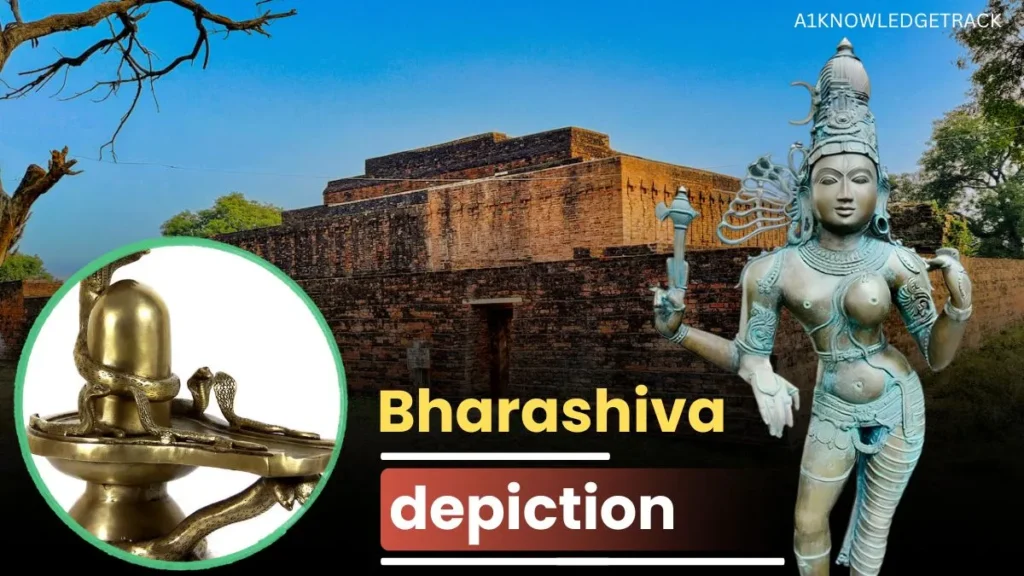
Among all Naga rulers, the Bharashiva Nagas stand out as the most powerful and historically significant.
They are known for:
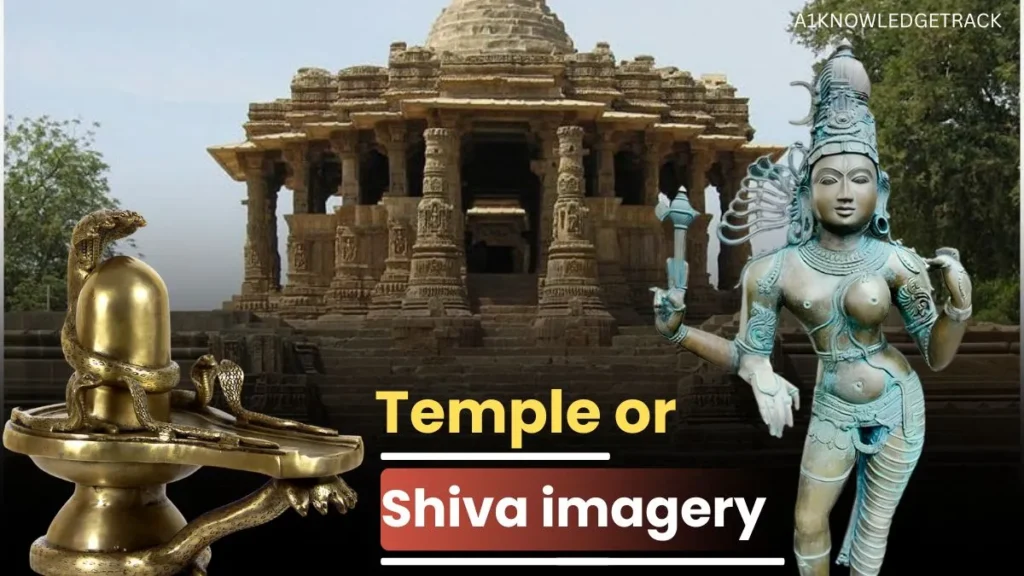
- Performing Ashvamedha Yajnas (horse sacrifices)
- Carrying Shiva Lingas on their shoulders, symbolizing devotion
- Establishing strong Shaivite traditions
Their name “Bharashiva” literally means “those who carry Shiva”, reflecting their deep religious commitment.
These rulers played a crucial role in reviving Hindu traditions during a time of political fragmentation.
Administration, Culture, and Religion
The Naga kings followed a decentralized system of governance, ruling through regional strongholds.
Key Features:
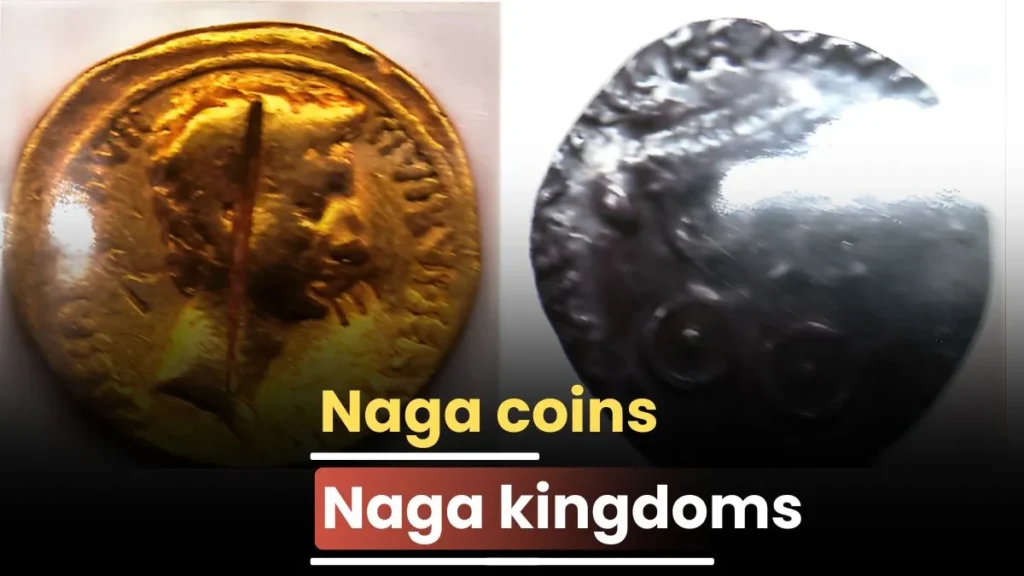
- Issued distinct coins with symbols like serpents and deities
- Promoted Shaivism (worship of Lord Shiva)
- Supported local art and temple traditions
- Maintained regional autonomy
Their coinage is one of the most important sources of historical evidence, helping historians reconstruct their lineage and influence.
Decline of the Naga Dynasty
The rise of the Gupta Empire in the 4th century CE marked the decline of the Naga rulers.
The Guptas gradually:
- Defeated regional Naga kings
- Absorbed their territories
- Established a centralized and powerful empire
Some Naga rulers may have allied with or been integrated into the Gupta administration.
Why Naga Kings Are Forgotten in History
Despite their importance, the Naga kings are not widely known. Several reasons contribute to this:
- Lack of extensive written records
- Overshadowed by larger empires like Maurya and Gupta
- Fragmented rule rather than a unified empire
- Limited mention in mainstream textbooks
As a result, their contributions remain largely confined to academic research and archaeological findings.
Key Facts About Naga Kings
- Ruled between 2nd and 4th century CE
- Controlled parts of northern and central India
- Known for Shaivite devotion
- Issued unique coins and inscriptions
- Played a transitional role before the Gupta Empire
Conclusion: Naga Kings of India
The Naga kings of India represent a crucial yet underappreciated chapter in ancient Indian history. Acting as a bridge between major empires, they maintained political stability, promoted religious traditions, and contributed to regional development.
Although they may not enjoy the fame of the Mauryas or Guptas, their legacy is preserved through coins, inscriptions, and historical research.
Understanding the Naga dynasty not only fills a gap in history but also offers a deeper insight into India’s complex and layered past.
FAQS: Naga Kings of India
When did the Naga dynasty rule in India?
The Naga dynasty ruled approximately from the 2nd century CE to the early 4th century CE, before being gradually absorbed by the rising Gupta Empire.
Were the Naga kings related to snake worship?
Yes, the term “Naga” is associated with serpent symbolism in Indian culture. However, the Naga kings were real historical rulers who likely adopted this symbol for religious and cultural significance, especially linked to protection and divinity.
What is the Bharashiva Naga dynasty?
The Bharashiva Nagas were the most powerful branch of the Naga rulers. They were known for their strong devotion to Lord Shiva and for performing rituals like the Ashvamedha Yajna, which symbolized royal authority and power.